
A home is one of the biggest investments you will ever make. No matter where you live, property ownership demands ongoing care and financial reinvestment. Preserving your home comfort, safety, and overall market value requires regular maintenance. When things break down around the house, wear and tear is simply inevitable. Many homeowners naturally lean toward the DIY approach to save money. However, certain malfunctions and complex tasks warrant immediate professional intervention. Knowing which projects require licensed experts can save you from accidents, safety hazards, and costly rework.
The Appeal of DIY
Most property owners have at least some basic DIY experience. Changing a lightbulb, adjusting window blinds, or hanging a picture frame are tasks anyone can handle. There is a deep sense of satisfaction in working with your hands and seeing tangible results outside your daily profession. Fixing things yourself gives you complete control over the process, timing, and quality of the work. When finances are tight, handling minor repairs on your own is a practical way to manage household expenses.
When to Call the Pros
On the other hand, certain household repairs should never be attempted without professional training. Some tasks carry severe physical risks, while others can cause catastrophic structural or financial damage if handled incorrectly. Furthermore, specialized home maintenance often requires expensive commercial tools that most homeowners do not own. Buying these tools for a single project renders the DIY route impractical. Before picking up a wrench, ask yourself if the potential risks outweigh the money saved. If safety is on the line, hiring a trusted contractor is always the wisest choice.
Electrical Water Heaters
Electric water heaters combine two of the most dangerous household elements: electricity and water. Since water is highly conductive, any internal fault or breach in the heater can send electrical currents directly through your plumbing system. This creates a severe electrocution hazard for anyone taking a shower or washing dishes. Additionally, neglected water heaters carry risks of pressure buildup and explosion. If your utility bills spike or your circuit breakers trip repeatedly due to the heater, turn off the power supply and call a licensed plumber immediately.
Sewer and Drainage
Your home drainage system plays a critical role in maintaining daily hygiene and sanitation. When sewer lines fail, standard household routines grind to a halt. Backups, foul odors, and overflowing water require immediate attention. Trying to fix complex sewer blockages or septic tank failures without professional equipment can turn into a messy disaster. Tasks like hydro-jetting, mainline snaking, and major pipe replacements require heavy-duty industrial tools and years of field experience. Leave these unsanitary and hazardous jobs to local plumbing experts.
Electrical System Faults
Modern homes rely heavily on electricity for lighting, climate control, and appliances. While electrical systems are generally reliable, sudden faults can turn deadly in seconds. Electricity is invisible and unforgiving, making amateur troubleshooting extremely dangerous. Faulty wiring, flickering lights, and arc faults are leading causes of residential fires. Unless you hold a valid electrical license, messing with breaker panels or live wires puts your family and property at direct risk. Always shut off power and bring in a certified electrician.
Roof Maintenance and Repair
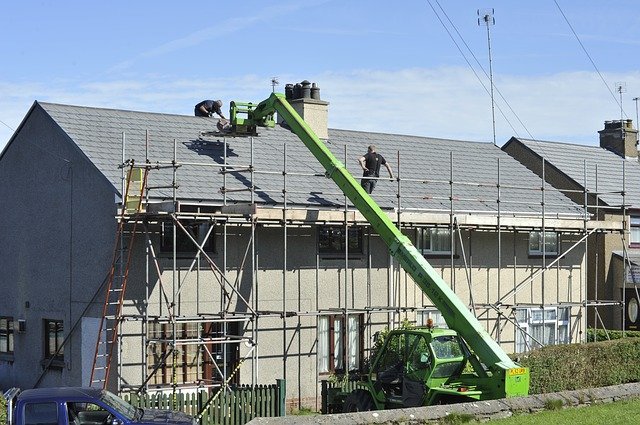
Your roof acts as the primary shield protecting your family and belongings from harsh weather conditions. A damaged or leaking roof compromises the structural integrity of your entire house. While minor shingle patches might seem manageable, roofing work involves extreme heights and steep angles. Fall accidents are a major hazard for untrained individuals. For deep structural fixes or complete replacements, keeping your feet on the ground and hiring a professional roofing contractor is the smartest decision for your personal safety.
Gas Appliance Repairs
While electricity powers most small devices, natural gas usually fuels heavy-duty appliances like stoves, ovens, and furnaces. Natural gas is highly flammable, and leaks can quickly lead to explosions or fatal carbon monoxide poisoning. Moving a gas appliance or repairing a gas line demands precise certification. Never attempt to service gas connections on your own. Ensuring airtight seals requires specialized testing equipment that only licensed technicians possess.
Asbestos Handling
Older homes built between the 1930s and 1950s frequently contain hazardous materials like asbestos. When undisturbed, asbestos may seem harmless, but any remodeling or repair work that agitates the fibers releases toxic dust into the air. Inhaling these fibers leads to severe, long-term health complications. Safe removal requires specialized containment gear, HEPA filtration systems, and proper disposal protocols. Certified abatement professionals must handle any suspected asbestos in your home.
HVAC Systems
Heating, ventilation, and air conditioning units are complex mechanical systems combining electrical wiring, moving mechanical parts, and pressurized chemical refrigerants. Diagnosing an HVAC failure requires specialized diagnostic tools. Even a basic refrigerant recharge is far beyond standard DIY capabilities. Thankfully, local HVAC technicians are widely available to service your climate control units safely and efficiently. For more tips on creating a comfortable living environment, check out this guide on how to make your cosy home.
DIY projects remain a fun way to improve your living space, but recognizing your limitations is essential. Leaving hazardous and technically complex repairs to licensed professionals protects your household. For assistance with home updates, you can also explore various government programs for home repair and energy efficiency assistance.
Frequently Asked Questions
Which house repairs should I never attempt myself?
You should never attempt major electrical wiring, natural gas line repairs, asbestos abatement, or complex sewer and plumbing overhauls without professional certification.
Why is DIY electrical work dangerous?
Electricity is invisible and poses immediate risks of severe shocks, electrocution, and devastating residential fires if handled without proper safety gear and training.
Can I clean my own roof safely?
While clearing light debris from single-story gutters can be done carefully, walking on sloped roofs involves high fall risks and should generally be left to professional contractors.
How do I know if my water heater needs a professional?
If your water heater trips circuit breakers, leaks water, makes loud rumbling noises, or fails to produce hot water, you should call a licensed technician right away.
Are there financial assistance programs for home repairs?
Yes, various local government initiatives, community grants, and weatherization programs help income-eligible homeowners afford essential property repairs and energy upgrades.