
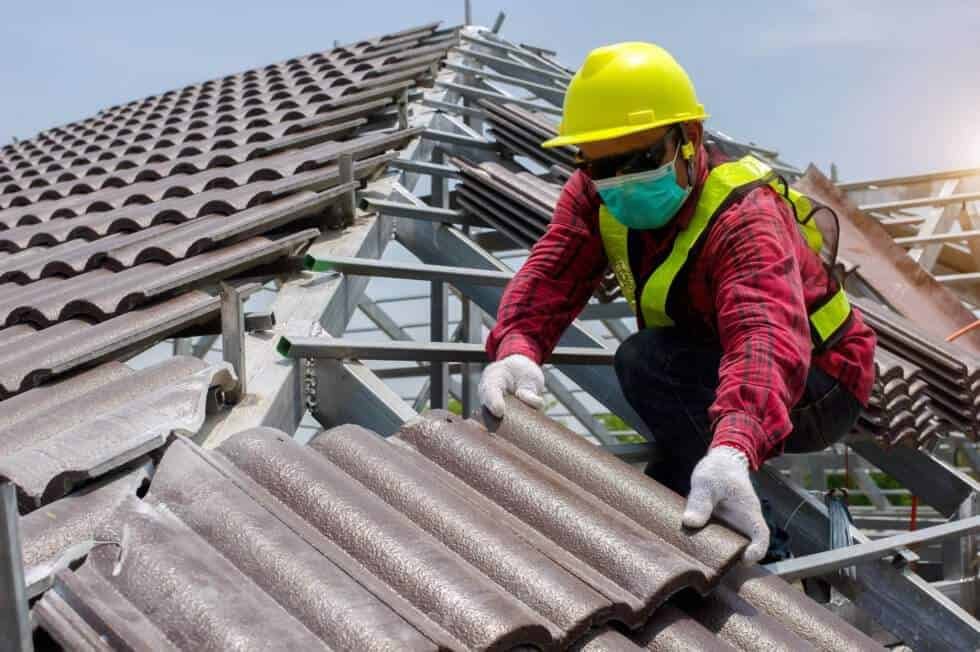
Your roof faces constant assault from harsh weather, wind, and debris that gradually degrade its structural integrity over time. While minor leaks or a few scattered issues can often be fixed with targeted repairs, every roofing system eventually reaches the end of its useful lifespan. Investing in a brand-new roof stands out as one of the most substantial financial commitments you will make as a homeowner. Before signing any contracts, budgeting accurately for materials, labor, and unexpected structural repairs is essential to avoiding surprise expenses.
Nationwide data for 2026 shows that the average cost for a new roof ranges anywhere from $8,000 to $30,000, with a national average hovering right around $9,605. On a practical per-square-foot basis, you can expect to budget roughly $4 to $11 for measured roof surface area, though regional wage differences and material availability will shift that number. If you are dealing with a standard 1,700-square-foot asphalt shingle setup, baseline replacement costs often run between $6,000 and $9,000 before extra upgrades. Homeowners managing property issues like sudden window damage might also want to check out what to expect from a professional window repair company while updating their home exterior. If you want to dig deeper, our guide on A More like Look At 6 Of The Most Obvious Signs Of A Bird Infestation covers this well.
Materials
The total price tag of a roof replacement is heavily driven by the specific materials you select for the job. Choices range from budget-friendly asphalt compositions to high-end slate tiles, each carrying different durability ratings and aesthetic styles. Evaluating how long you plan to stay in your home helps determine whether investing in premium materials makes financial sense. As you plan exterior updates, you might also find useful tips in guides covering unique father’s day gifts for homeowners who love DIY backyard projects.
Asphalt Shingles
Asphalt shingles remain the most popular residential roofing material across North America due to their balanced mix of affordability and reliability. Their market pricing fluctuates based on fiberglass composition, weight, and manufacturing warranties. Choosing the right shingle grade sets the baseline for how often you will need to budget for future maintenance.
Three-tab Asphalt Shingles
Three-tab options are traditional strip shingles that provide a uniform, flat look across the roof deck. They represent the most economical choice available, though they offer a more basic visual profile than multi-layered alternatives. Typically lasting between 20 and 25 years with proper attic ventilation, a three-tab project generally costs around $7,000 for a smaller home.
Architectural Asphalt Shingles
Architectural shingles feature a heavier, multi-layered construction that creates a dimensional, textured appearance similar to wood shakes. Beyond aesthetics, these upgraded shingles often include specialized granule treatments to resist ugly algae streaks in humid climates. Lasting roughly 45 years, architectural options typically cost around $9,000 for a modest home footprint.
Homeowners seeking a more striking curb appeal can also choose luxury architectural tiers designed to mimic high-end slate or heavy shake. These premium variations provide superior wind resistance and a thicker profile to protect against severe storms. Upgraded designer shingles can easily push total project costs into the $12,000 to $14,000 range for standard residential properties.
Wood Shingles
Wood shingles and shakes crafted from cedar or redwood offer a timeless, rustic charm that complements traditional and cottage-style architecture. While they boast a lifespan stretching up to 50 years, they demand regular cleaning and chemical treatments to prevent rot and moss accumulation. Installing wood shakes on a small house typically runs about $14,000. Property owners living in dry regions should note that wood shingles are generally discouraged in areas prone to fast-moving wildfires.
Metal Roof
Metal roofing has surged in popularity thanks to its exceptional longevity, superior energy efficiency, and modern aesthetic versatility. Materials range from durable steel and aluminum to premium copper and zinc, with galvanized steel standing out as a popular durable choice. Depending on the specific metal alloy chosen, professional installations often start around $23,000 and climb higher for complex roof designs. Metal materials are delivered either in large standing seam panels or in stamped interlocking tiles that mimic traditional shingle patterns.
Tile Roof
Clay and concrete tiles deliver a distinctive Spanish or Mediterranean aesthetic that transforms the entire look of a home exterior. When properly maintained, a quality tile roof can easily endure for nearly a century against intense sun and heavy rain. Material and installation costs typically range from $20,000 to $50,000 for a single-story layout, reflecting the intense labor required. Homeowners must keep in mind that ceramic and concrete tiles can crack under heavy impact, such as falling tree branches or walking carelessly across the surface.
Slate Roofs
Natural slate is the pinnacle of luxury roofing materials, constructed from genuine stone that can outlast the structure of the house itself. These roofs require specialized framing reinforcement because of their immense weight, meaning only certified master roofers should handle the installation. A complete slate roof installation represents a major investment, with prices frequently ranging between $25,000 and $55,000 or more based on home size.
Other material Costs
Beyond the primary shingles or tiles, your final invoice will include several essential hidden components required for a weather-tight system. Getting multiple itemized bids from local contractors is the best way to understand how labor rates and accessory fees break down in your area. Standard underlayment protects the wooden decking, with basic asphalt-saturated felt costing about $250 to $300, while high-performance synthetic underlayment runs $800 and up. Upgrading attic insulation usually averages around $1.50 per square foot, alongside necessary expenses for ridge vents, flashing, and metal valleys.
Factors that Impact Roof Replacement Costs
Numerous variables influence the final price of Residential Roof Repair & Replacement beyond just the square footage of your house. Total surface area remains the primary driver because it dictates the volume of shingles, underlayment, and fasteners required to complete the build. Roofs featuring steep pitches, multiple dormers, complex valleys, or intricate architectural angles require extra safety gear and labor hours, which increases costs. Additionally, crews must factor in labor and disposal fees for stripping away and hauling off multiple layers of old roofing debris. Scheduling your project during off-peak seasons can sometimes yield better labor rates as contractors look to fill their calendars.
When to Replace Roof
Spotting widespread damage across your property is the easiest way to determine whether a full replacement is overdue rather than a simple patch job. Finding a stray shingle or two after a windy afternoon is normal, but discovering dozens of missing pieces points to systemic material failure. Loose pipe boots, rusted flashing, and persistent ceiling stains are unmistakable warning signs that moisture has penetrated your protective barrier. Extensive granule loss in gutters and brittle, curling shingle edges signal that you need a thorough evaluation from experienced roofing contractors in Denver or your local area. If your roof has simply aged past its expected warranty window, planning a preemptive replacement prevents sudden catastrophic indoor leaks.
Wrapping Up
Replacing a roof is a major capital investment that typically occurs only once every 25 to 30 years for most homeowners. Taking the time to evaluate every structural component, material grade, and warranty option ensures you get the best long-term value for your money. Because roofing is an expensive project, weighing the upfront material costs against long-term durability prevents premature failure and costly interior water damage. Always vet local contractors carefully to ensure certified installation practices and robust workmanship guarantees protect your investment. Industry experts at NerdWallet recommend getting at least three written quotes before committing to any contractor. Once the construction crew packs up, schedule a formal post-project inspection to verify that your new roof meets all local building codes and manufacturer specifications.
FAQs
How much does a new roof cost on average in 2026?
In 2026, a new roof typically costs between $8,000 and $30,000, with a national average of around $9,605 depending on the square footage and materials used.
How much does a roof cost per square foot?
Most standard roof replacements cost between $4 and $11 per square foot of measured roof surface for standard asphalt shingle installations.
How long does an asphalt shingle roof last?
Standard three-tab asphalt shingles generally last 20 to 25 years, while thicker architectural dimensional shingles can last up to 45 years with proper attic ventilation.
What are the signs that I need a full roof replacement?
Widespread missing shingles, heavy granule loss in gutters, sagging deck areas, cracked flashing, and interior water leaks are primary indicators that replacement is necessary.
Should I hire a professional or attempt a DIY roof replacement?
Roof replacement requires specialized safety gear, precise nailing techniques, and heavy lifting, making it a job best left to licensed, insured professional roofing contractors.