
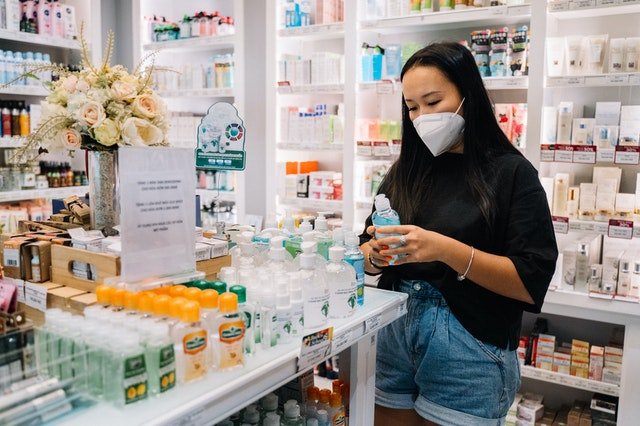
Healthcare expenditures continue to weigh heavily on households across the country, with prescription drug costs representing a significant portion of that financial burden. Statistics show that roughly 10 percent of total healthcare spending goes directly toward pharmaceutical expenses, leaving many patients feeling overwhelmed at the pharmacy counter. When monthly bills stretch your budget too thin, managing your health becomes an added source of stress rather than a routine priority.
If you feel devastated by the cost of prescription drugs on the market, you are far from alone. While most people agree that necessary treatments improve their well-being, nearly everyone considers the current pricing structures unreasonable. This financial strain is the primary reason why roughly 3 out of 10 people skip their medication or fail to fill prescriptions as their doctor originally intended. If you want to dig deeper, our guide on Top 5 Questions to Ask Before Hiring an HVAC Company covers this well.
How to Save On Medications
Despite the growing concern related to the ballooning cost of prescription medicines, there are still valuable steps you can take to keep your healthcare spending manageable. Shopping around, utilizing digital tools, and knowing your insurance benefits can slash your monthly out-of-pocket expenses dramatically. Taking charge of your prescription budget lets you maintain your health without draining your savings account.
Go Generics
If your doctor prescribed a brand-name drug, it doesn’t mean you have to purchase that expensive medication unless no generic equivalent exists. Generic medications are just as effective as name-brand alternatives and often offer high-cost savings, making them a smart choice for long-term maintenance therapies. You can easily check with your prescribing physician to see if an equivalent option is available for your condition.
You can freely ask your doctor to prescribe a generic drug if you do not have enough funds to buy an expensive brand-name medication. If the prescription you hold right now does not list a generic equivalent, there is no need to panic. A local pharmacist can often contact your physician to request a therapeutic substitution that fits your budget better.
Consider A Mail Order Pharmacy
Try to look for reputable mail-order pharmacies connected to your health plan, which can help handle long-term maintenance prescriptions efficiently. Your insurance provider or Medicare plan might offer special pricing structures for patients who opt for home delivery services. You can often order a 90-day supply of your routine medications through a mail-order pharmacy and secure a lower copay than buying monthly.
You can freely search online regarding affordable mail-order prices and compare them with standard retail rates. After finding a reliable option, check directly with your health plan to ensure the prescription drugs you plan to buy qualify for full coverage under your policy guidelines.
Buy In Bulk
If your doctor has prescribed a maintenance drug for a chronic condition, it will help if you buy in bulk by requesting a 90-day supply instead of the standard 30-day fill. Getting a larger supply cuts down your per-pill cost and helps you save money in the long run. Buying your medication in small 30-day quantities tends to carry higher dispensing fees and requires more frequent trips. Another major advantage of getting a larger supply is that you eliminate the hassle of constant refills and reduce your overall exposure to price spikes.
Patient Assistance Programs
Pharmaceutical manufacturers frequently operate patient assistance programs designed to provide low-cost or even free medications to qualifying individuals. State Pharmaceutical Assistance Programs and federal initiatives also exist to bridge the gap for patients struggling with high coinsurance amounts. Researching these specialized support systems can uncover financial relief you might not have known was available.
It is essential to know that you will need to apply and qualify for these programs before receiving discounted services. Drug companies usually enforce unique eligibility standards based on household income and insurance status. Start by checking helpful resources like the National Council on Aging to identify programs you qualify for, or ask your pharmacist for direct application guidance.
Compare Prices
It is vital to recognize that prescription drug costs tend to vary wildly between different retail locations in the exact same neighborhood. Not all pharmacies in your town charge the exact same amount for a specific medication, meaning loyalty to one store can cost you extra money. Calling different local storefronts or checking online tools lets you compare prices and find the cheapest cash price before you fill a new prescription.
Look For Discount Saving Programs
Besides comparing standard retail prices, you can use specialized platforms to search for instant savings and free discount coupons online. Popular services like SingleCare or BuzzRx help you search for discounted medication pricing at thousands of participating pharmacies nationwide. You simply type in your prescribed drug and location to instantly view the lowest cash prices available near you.
Most of these digital coupon providers give you a free savings card to present at the counter instead of using traditional insurance. This approach works exceptionally well if your insurance copay is surprisingly high or if your plan excludes a specific maintenance drug from its formulary.
Request Drug Samples From Your Doctor
You can always ask your physician for manufacturer starter samples, especially if you notice that a newly prescribed brand-name drug is prohibitively expensive. Clinicians often keep samples on hand specifically to help patients bridge the gap while paperwork for assistance programs clears. Additionally, testing out a short supply ensures you tolerate the medication well and experience no adverse side effects before committing to a costly full-sized prescription.
Reminder: Don’t Skip Your Doses
Skipping doses to stretch your medication supply is dangerous, yet it happens far more often than most people realize. Statistics show that millions of adults deliberately skip doses or avoid filling prescriptions entirely because of financial pressure. Treating your budget as more important than your treatment plan often triggers severe health setbacks that cost far more to fix later.
Taking your prescription drugs exactly as directed by your doctor protects your long-term health and keeps chronic conditions under control. If financial roadblocks make adherence difficult, speak with your healthcare team about managing your overall household expenses so medicine stays affordable. You should never ration pills blindly when local clinics, social workers, and discount networks can offer viable alternatives.
In a Nutshell
Your medication costs can add up fast without you even noticing the gradual increase in monthly spending. Taking time to explore generic options, bulk ordering, and discount programs ensures you can afford vital treatments without sacrificing other household needs. Staying proactive about your pharmacy expenses lets you maintain your prescribed maintenance routine with complete peace of mind.
Frequently Asked Questions
How can I find the lowest price for my prescription drugs?
You can compare prices across local pharmacies using online discount platforms, check your Medicare or insurance plan portal, and ask your pharmacist if a lower cash price is available without insurance.
Are generic medications just as safe as brand-name drugs?
Yes. Generic medications must meet the exact same strict standards for quality, purity, strength, and effectiveness as brand-name drugs regulated by health authorities.
What is a Patient Assistance Program?
Patient Assistance Programs are sponsored by pharmaceutical manufacturers to provide free or heavily discounted brand-name medications to individuals who meet specific income and insurance criteria.
Can I get a 90-day supply of my medication instead of 30 days?
Many health plans and mail-order pharmacies allow a 90-day supply for maintenance medications, which often reduces your total copay cost and cuts down on frequent pharmacy trips.
What should I do if I cannot afford my medication at the pharmacy counter?
Ask the pharmacist if there is a generic equivalent or a discount coupon available, and contact your doctor immediately to discuss more affordable therapeutic alternatives.