
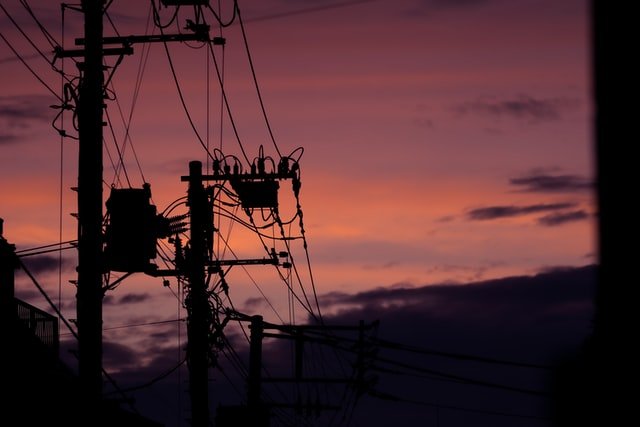
Finding yourself in the middle of a sudden power outage is not only frustrating, but it can also make you feel completely helpless. You are never quite sure when the lights will come back on, forcing you to prioritize your family’s safety and comfort immediately. As you figure out your next steps, you might also be juggling other household needs, such as finding the right double hung window replacement parts if a storm damaged your house.
How long before the food in the refrigerator goes bad, and what happens if you need to access emergency numbers while your smartphone battery dies? Without power, you might also be subjected to extreme indoor temperatures, leaving your home either uncomfortably hot or freezing cold. These are just a few urgent questions that race through your mind when the grid fails unexpectedly. If you want to dig deeper, our guide on Why Software Quality Assurance Matters in Telecom covers this well.
When the power goes out, you will want to remain calm and follow a proven course of action instead of panicking. Being properly prepared helps reduce stress levels significantly while keeping everyone in the household safe. Keeping emergency supplies organized ahead of time ensures you can weather any blackout without unnecessary panic.
In the guide below, you will learn practical steps on what to do during a power outage and how to assemble a reliable emergency kit. Stay inside your home, keep track of local weather reports, and check community notifications to stay informed. Keep reading to get started on protecting your home and family.
Access Your Cash
Do you have a stash of physical cash hidden safely inside your home for emergencies? If not, you should consider setting some aside now. You can keep this money safe by placing it inside a locked, fireproof, and waterproof lockbox.
Having cash on hand is essential because local stores often lose the ability to process credit or debit card transactions when the grid goes down. Without electricity, card readers and digital payment systems become completely useless.
Be smart and keep small bills handy just in case local merchants can only accept paper currency. Essential items like gasoline and groceries might require cash-only purchases until systems come back online. Remember that if there is a widespread blackout, you will likely not be able to withdraw money from local bank ATMs either.
Refrain From Opening the Refrigerator
As soon as the power goes out, it is essential to refrain from opening the refrigerator and freezer doors. The more times those doors are opened, the quicker the cold air escapes and the faster your perishable food spoils. According to Ready.gov, keeping your refrigerator and freezer doors shut is one of the best ways to preserve food safety during an outage.
You can help keep your perishables cold for longer by stuffing bags of ice into the freezer ahead of time. The ice will help maintain lower internal temperatures for a much longer period. You might want to double-bag the ice to prevent melted water from flooding your freezer compartments.
Have enough freezer packs or gel bags ready for your refrigerator as well. When a blackout hits, quickly moving a few of those cold packs into the fridge section will help keep your milk and produce fresh.
Unplug Everything
Even if the power is out and your electronics are currently turned off, leaving them plugged into the wall puts them at risk. Power surges often happen when the electricity grid reconnects, which can fry sensitive circuitry. The best preventative measure is to unplug major appliances and entertainment systems immediately.
When the power finally comes back on and stabilizes, you can safely plug everything back into the wall. It also helps to turn off all interior light switches except for one so you immediately notice when the main power returns.
Bring Out Your Battery Radio
It is always a fantastic idea to keep a battery-powered or hand-crank radio in your emergency supplies. Make sure you store fresh replacement batteries close by in a designated drawer. If the power outage is due to a severe storm or natural disaster, a radio is your best bet for receiving critical emergency broadcasts.
Keep the radio in an easily accessible location throughout the year so you do not have to fumble around in the dark. Once the power drops, you can grab it instantly to tune in for local weather updates and shelter announcements.
Turn on the Backup Generator
Having a reliable backup generator is crucial for households that experience frequent winter storms or grid failures. Any time the power goes out for an extended period, you can fire up your generator to restore essential household circuits.
There are various generator models available, so make sure you find one that matches your specific household wattage needs. Always remember to operate your generator exclusively outdoors and far away from windows to prevent dangerous carbon monoxide poisoning. When the grid fails, you will be deeply thankful for having a safe backup power source ready to run.
Generators can restore lighting, save your groceries, and keep your family comfortable until utility crews restore normal service. Consider adding a portable power bank or larger generator to your home emergency checklist today.
Have a Backup Plan For Medications
Some households manage vital medications that require strict refrigeration or electrical medical devices like oxygen concentrators. If this applies to your family, you need to have a concrete backup plan before an emergency strikes. A dedicated household generator or medical-grade cooler with ice packs will certainly come in handy for situations like this.
You should also contact your doctor or pharmacist ahead of time to ask for their professional advice on handling refrigerated medications during a blackout. Knowing how long your specific medications can safely remain at room temperature can prevent health complications.
Report the Outage
The very minute the lights go out, look outside to determine if it is a localized issue or a wider neighborhood blackout. If your neighbors are also sitting in the dark, contact your local electric utility company right away. You need to report the outage so the provider dispatches repair crews to assess and fix the underlying equipment failure.
The sooner you notify your utility provider, the quicker they can log the outage and get your electricity turned back on. Avoid overwhelming phone lines if your provider offers a mobile app or text reporting service for faster updates.
Don’t Let a Power Outage Take Control of Your Life.
A sudden power outage can cause immense stress, but you can remain in control of the situation through proper preparation. Close off unneeded rooms in your home to trap warm air, and stuff towels under door cracks if cold drafts creep in. Remember to use flashlights instead of candles to minimize fire hazards while walking around in the dark.
For more helpful home management tips, lifestyle guides, and DIY advice, continue checking back here for new updates daily.
Frequently Asked Questions
What should I do first when the power goes out?
Check to see if your neighbors also lack power to determine if it is a neighborhood-wide outage, then report the outage to your utility company and unplug major electronics.
Is it safe to use a gas stove for heat during a blackout?
No, you should never use a gas stove or oven to heat your home during a power outage because it creates a severe risk of dangerous carbon monoxide buildup.
How long does food stay safe in a closed refrigerator?
A closed refrigerator will keep food safely cold for about four hours. A full freezer will hold its temperature for roughly 48 hours if the doors remain tightly shut.
Can I run my backup generator inside the garage?
No, backup generators must always be operated strictly outdoors and well away from open windows, doors, and vents to prevent deadly exhaust fumes from entering your living space.
How can I keep my house warm during a winter power outage?
Stay inside, close off unneeded rooms to conserve heat, and place rolled-up towels or blankets in the gaps underneath exterior doors to block cold drafts.