
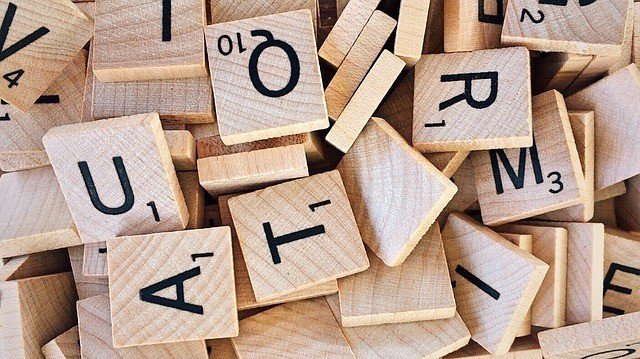
Scrabble remains a timeless classic that people have enjoyed for generations, whether in a quiet living room or during a casual night out. As with any competitive board game, moving from a casual player to a consistent winner takes deliberate practice and smart tactical choices. You can explore the history of Scrabble to appreciate how this iconic pastime has challenged minds for decades.
If you are looking to sharpen your vocabulary and outsmart your opponents at the board, putting a few proven strategies into action makes all the difference. Mastering the game involves much more than just knowing common terms; it requires managing your letter rack and thinking a few turns ahead. If you want to dig deeper, our guide on How to Choose the Right Lawyer for Your Legal Needs covers this well.
Practice Makes Perfect
Consistent practice is the foundation of success in any competitive pastime, and Scrabble is no exception. You will never see real improvement if you only pick up the tile bag once in a blue moon. Even when playing against an app or a family member, try your best to stay completely dialed into the board state rather than getting distracted by casual conversation.
Try setting aside time each day to play a quick match online or against a computer opponent. Scrabble is also a fantastic way to get closer to your sibling after a long week apart, combining quality time with healthy mental competition. When possible, challenge opponents who are noticeably better than you so you can learn which tile placements fail under pressure, such as awkwardly dumping a high-value letter with no scoring support.
Do not be afraid to treat your mistakes as valuable learning moments rather than frustrating failures. When you make a poor play and realize your error too late, take a moment to analyze why that choice backfired. That habit alone helps you spot superior openings during your next match.
Learn the Dictionary or Use Word Finder
Serious players know that memorizing valid short words, especially two-letter and three-letter combinations, forms the backbone of a winning strategy. When the board feels tight and open spaces are scarce, utilizing obscure short words allows you to wedge high-scoring plays into narrow gaps. Expert tournament competitors often study probability lists to ensure they maximize every single turn.
If you ever get stuck on a tricky rack or need to verify a valid play, utilizing an online word solver can speed up your learning curve. Word finder tools help you uncover hidden options using your current letters or blank tiles, making casual games much more dynamic and fast-paced. Building your mental lexicon over time means you will rely on digital helpers less and less.
Play With People Who Are Good Players
Seeking out stronger opponents yields two major outcomes: you will either lose quickly and learn valuable lessons, or you will pick up sneaky tactical tricks that elevate your own game. Playing against experts forces you to stop making careless moves and start respecting the defensive potential of the board. It can feel intimidating at first, but stepping outside your comfort zone is the fastest path to growth.
Do not shy away from asking experienced players for advice after a tough match concludes. Most veterans love sharing their knowledge about hooks, parallel plays, and board control. If someone in your circle is exceptionally skilled, politely ask them for a rematch so you can test your newly acquired tactics.
Use Strategy
Simply dumping random letters onto the grid to make any possible word is a quick way to lose against an experienced opponent. Instead, you need to treat every turn as part of a larger plan that accounts for what tiles might still be in the bag. Thinking strategically means sometimes passing up a mediocre high-score play to save a valuable blank or a pair of high-probability vowels.
Many beginners fall into the trap of using every premium square the second they appear on the board, opening up massive scoring lanes for the person sitting across from them. Smart players evaluate the board layout to ensure they do not hand their rival an easy triple-word score on the very next turn. Balancing aggressive offense with subtle defensive blocking gives you a massive edge.
Stay Focused on the Game

Maintaining concentration during a high-stakes match is tough, but Scrabble requires genuine mental stamina that vanishes the moment your mind wanders. If your opponent tries to engage in distracting chit-chat while calculating their next move, politely let them know you need a moment of silence to think. Staying centered helps you calculate remaining letters and spot profitable hooks.
If you are playing in a social setting where people are gathering around to talk, use those moments wisely during breaks in the action. You can always catch up on chat topics once the final scores are tallied and the tiles are safely back in their pouch. Protecting your focus keeps your strategic vision sharp from the opening tile to the final buzzer.
Be Patient
Starting out as a new or intermediate player can feel discouraging when you draw awkward racks filled with consonants and low-scoring letters. Remember that mastering the nuances of board control and probability takes time and plenty of trial and error. If your opponent is taking a bit too long to make a move, resist the urge to rush them and use that downtime to study the board.
Patience also applies to how you manage your tile distribution throughout the match. Sometimes holding onto a flexible letter for a few turns pays off massively when a triple-word lane finally opens up. Learning to wait for the right scoring opportunity separates casual players from true tournament contenders.
Don’t Give Up
Falling behind by a hundred points early in a game happens to everyone, but it does not mean the match is entirely lost. A single well-placed bingo using a blank tile and a high-scoring letter can completely flip the scoreboard in your favor during the late stages. Keep your head in the game and look for creative ways to exploit your opponent’s defensive blind spots.
The more you practice adapting to unfavorable tile draws, the more resilient your overall strategy becomes. Even if you lose a match, treating every round as a chance to test a new tactical idea ensures you are always moving forward. Persistence is genuinely the secret ingredient behind every great Scrabble player.
Have Fun
At its core, Scrabble is meant to be an enjoyable pastime that brings people together around a kitchen table or online lobby. If you find yourself getting overly stressed or frustrated by a bad tile draw, step away for a quick break to clear your head. Keeping a lighthearted attitude makes the inevitable losses much easier to swallow.
With these advanced tactics in your toolkit, you will start dominating your games in no time. Consistent practice, smart tile management, and a focus on learning from every loss will transform your gameplay. Stay patient, enjoy the mental workout, and always remember why you started playing in the first place.
Frequently Asked Questions
What is the best tile to hold onto in Scrabble?
The blank tile is universally considered the most valuable asset on your rack because it can represent any letter of the alphabet to form high-scoring words or bingos.
How many letters are in a standard Scrabble rack?
Each player maintains a rack of seven tiles throughout the majority of the game, drawing back up to seven after every successful play.
What is a Scrabble bingo?
A bingo occurs when you use all seven tiles from your rack in a single turn, which awards a massive fifty-point bonus in addition to the word score.
Are two-letter words allowed in official Scrabble?
Yes, knowing a robust list of valid two-letter words like QI, XU, and ZA is essential for playing in tight spaces and boosting your final score.
Can I look up words during a casual game?
In casual home games, many players agree to use word finders or dictionaries as a learning tool, though official tournament rules strictly prohibit outside assistance.