
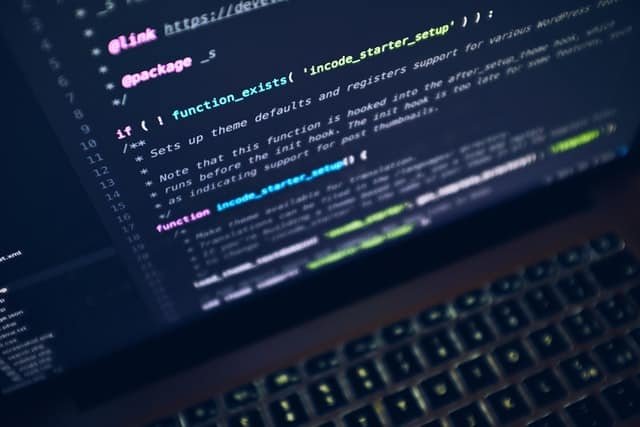
Python has been around for decades, starting out as a simple side project before growing into a massive force in software development. People often wonder if an older language still holds up or if it has lost its edge. The honest truth is that learning Python has gotten a bit more complicated with the rise of modern tools, but it remains one of the best technical skills you can pick up.
Whether you want to build automated workflows, work with artificial intelligence, or shift your career entirely, Python offers practical benefits. If you are exploring structured training paths, you might also find resources like Everything You Want To Know About Data Science Courses in Hyderabad! helpful for understanding how this language fits into broader tech careers.
Automating Repetitive Tasks
One of the best parts about Python is how quickly it lets you build working programs to handle boring chores. Instead of doing tedious file organization, data entry, or web scraping by hand, you can write short scripts to do the heavy lifting. The language was practically built for script writing, making simple automation projects accessible even if you are brand new to programming.
Artificial intelligence tools can suggest code in seconds, but you still need to know how to set up the problem and run the script. Python allows you to test ideas quickly without getting bogged down in heavy boilerplate code. It lets you focus on solving the actual problem rather than fighting the syntax.
Data Science and Artificial Intelligence
Data science and machine learning are major reasons why demand for Python developers keeps surging. As companies collect more data than ever, they need professionals who can clean, analyze, and build statistical models from that information. Python is the absolute backbone of this space thanks to its massive collection of specialized libraries and frameworks.
When working with artificial intelligence, AI generated code is only as good as its reviewer. You need to understand the underlying logic to verify what the machine spits out. Python gives you a clear path to building glue code, data pipelines, and machine learning models that tie complex systems together, as discussed in communities like Reddit discussions on learning Python.
Simple Syntax and Fast Learning Curve
One of the biggest reasons beginners choose Python is its clean and readable syntax. It reads almost like plain English, which removes a lot of the frustration that usually comes with learning how to code for the first time. You spend less time worrying about weird punctuation rules and more time actually building things.
Because the learning curve is gentle, you can create useful programs much faster than you would with many other languages. This quick payoff keeps motivation high when you are starting out. As you get more comfortable, you can explore web development or backend engineering without needing to learn a brand-new syntax from scratch.
The Python community continues to grow every single day, offering endless tutorials, packages, and forums to help you when you get stuck. Since the demand for practical tech skills keeps rising, investing time into learning Python can open up new career doors and positively impact your earning potential.
Frequently Asked Questions
Is Python still worth learning with the rise of AI coding assistants?
Yes, absolutely. AI can generate code snippets in seconds, but someone still has to define the problem, review the output, and build the pipelines. Python is the language that ties these modern systems together.
How long does it take to learn Python basics?
If you practice consistently, you can learn the basic syntax and write simple automation scripts in a few weeks. Mastering advanced topics like machine learning takes several months of dedicated practice.
Can absolute beginners learn Python without any prior coding experience?
Yes. Python was designed with readability in mind, using a clean syntax that resembles plain English. This makes it one of the most beginner-friendly programming languages available.
What can you actually build with Python?
You can build web applications, automated data scrapers, machine learning models, data analysis dashboards, and custom software scripts to handle repetitive daily tasks.
Do I need a computer science degree to get a job using Python?
No. Many developers are self-taught or learn through specialized training programs. Building a strong portfolio of real-world projects matters much more to employers than a formal degree.