
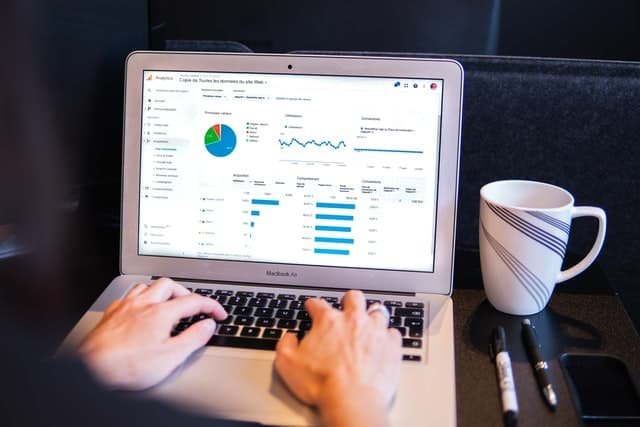
Your Google SERP rank dictates how much organic visibility your brand receives for target search queries. When you figure out how to climb those positions, you stop relying solely on paid ads and start pulling in steady, interested visitors from search engines. If you want to push your pages higher up the results page, applying a few tactical adjustments can make a massive difference in your organic performance.
Implementing a structured approach to search engine optimization helps Google understand your pages better and serve them to the right audience. For a deeper dive into the mechanics of organic visibility, you can check out this comprehensive guide on search engine optimization. By focusing on intent and technical clarity, you set a solid foundation for sustainable growth. If you want to dig deeper, our guide on Understanding, preventing and treating cardiac problems in the modern age covers this well.
Start by adding a site links search box to your homepage setup. This simple markup can help you capture extra visibility on search engine results pages by displaying direct navigational links for specific brand queries. It makes your listing look more authoritative and helps users jump straight to the exact page they need without extra clicks.
Crafting clean meta titles and descriptions remains a fundamental pillar of visibility. Keep your titles descriptive while ensuring your descriptions stay under the 160 character limit so they do not get cut off on mobile devices. Writing compelling snippets directly influences your click-through rate, which sends positive engagement signals back to search engines.
Building a robust XML sitemap ensures that Google can crawl and index your most important pages smoothly. Include direct pathways to essential destinations like your contact page, policy documents, and main categories. A clean crawl path means search bots waste zero time figuring out the hierarchy of your domain. For more on this, our article on The Ultimate Guide To Keep Your Office Pantry Clean and Spotless is a good next read.
While meta keywords tags are largely ignored by modern algorithms, focusing heavily on natural keyword variations inside your actual body copy is essential. Spreading out relevant terms and semantic phrases helps algorithms categorize your content accurately for diverse user queries. When you cover a topic from multiple angles, you naturally capture more long-tail traffic.
External trust signals and authoritative backlinks act as major votes of confidence for your domain. Instead of chasing low-quality link schemes, focus on building genuine relationships within your niche so industry peers want to reference your insights naturally. To help manage your strategy and track your overall performance over time, utilizing a reliable tracking tool like Zutrix gives you clear visibility into your progress.
Integrating multimedia content such as YouTube videos directly into your articles creates an engaging user experience. Google values rich media that keeps visitors on the page longer, signaling that your content successfully answers the search intent. Experimenting with embedded video clips also opens up opportunities to capture visibility in universal search carousels.
Frequently Asked Questions
What is a Google SERP rank?
Your Google SERP rank is the specific position your webpage occupies when a user searches for a particular keyword on Google. Higher positions generally lead to significantly more organic traffic and brand exposure.
How long does it take to improve rankings?
Timeline varies based on your domain authority, existing content quality, and competition levels. While technical fixes can show results in weeks, building deep topical authority usually takes several months of consistent effort.
Are meta descriptions a direct ranking factor?
Meta descriptions do not directly influence algorithm scores, but they heavily influence click-through rates. A compelling description convinces more people to click your link over competitors.
Why is mobile optimization important for rankings?
Google uses mobile-first indexing, meaning the smartphone version of your website is evaluated as the primary version. If your mobile user experience is poor, your rankings will suffer accordingly.
How do backlinks affect organic performance?
Backlinks from trusted and relevant external websites act as digital endorsements. They signal to search engines that your content is credible and valuable enough for others to reference.