
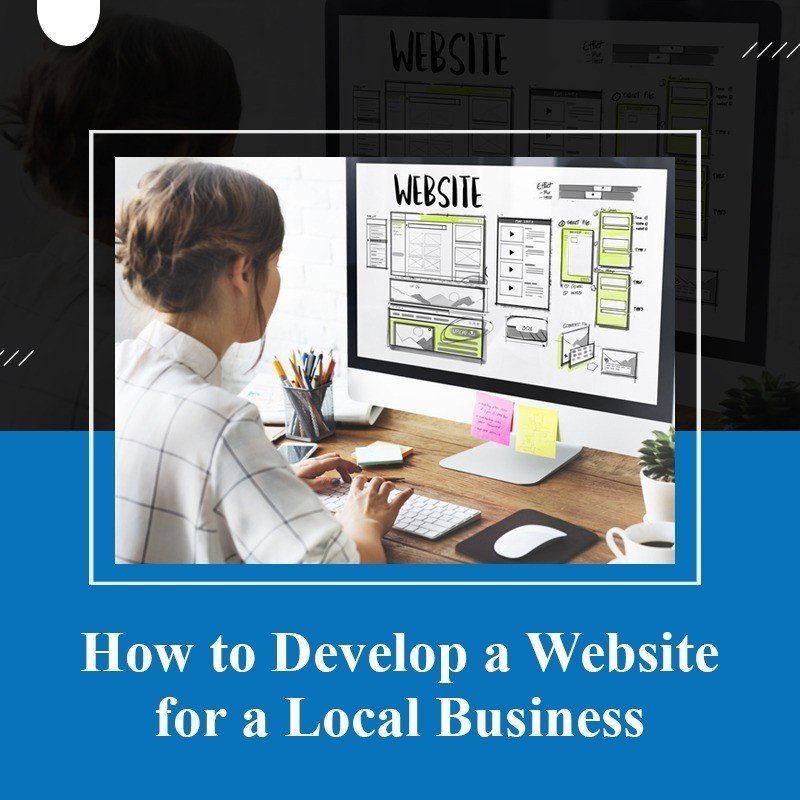
Launching a neighborhood store or service means catering directly to nearby customers who rely heavily on near-me searches to find what they need. Setting up a solid online presence is no longer optional for neighborhood merchants, and it all starts with building a clean, functional web page. Following current trends from top platforms like Forbes Advisor helps ensure your digital storefront stands out.
Today, we will explore some effective tips for creating a website for local business operations that turn casual visitors into loyal paying customers. If you want to dig deeper, our guide on How to Choose the Right Lawyer for Your Legal Needs covers this well.
Tips for Building a Local Business Website
1. Create a Minimalistic Website
A neighborhood enterprise often has a straightforward message that does not require heavy text or complex graphics. Keep things simple and avoid cluttering your layout with unnecessary design elements that distract visitors from your core offerings. Business owners can also look into options like Webflow or WordPress depending on their technical comfort level.
Here are some common pages of a standard small business website:
- Home
- About Us
- Products/Services
- Contact Us
- Privacy Policy
You can stop at just that core set of pages without overwhelming your visitors with extra fluff. The main objective is to showcase your mission and highlight what makes your offerings unique to local buyers. In fact, keeping things streamlined makes your brand look far more professional and trustworthy to new clients.
2. Mobile-Friendly Website
Local businesses cannot afford to lose potential walk-ins or phone calls because of a poorly functioning digital platform. Since the vast majority of consumer browsing happens on smartphones and tablets, adopting a responsive design approach is essential for capturing on-the-go traffic.
Here are some handpicked tips to create a mobile-friendly website:
- Don’t include text-blocking ads and large pop-ups
- Use large font size
- Make button size large enough to press with thumb
- Enhance website speed
- Use sticky navigation
3. Optimized Content
Appearing in local search results requires thoughtful keyword placement and region-specific phrasing throughout your copy. Make sure to reference your city, neighborhood, and nearby landmarks naturally within your service descriptions. You should also check your site regularly using tools like how to check your website’s accessibility guides to ensure all local users can read your text easily.
Better yet, engage professional SEO services from a reputed company to handle the heavy lifting. Local SEO specialists fine-tune your map listings and on-page content so you capture high-intent buyers searching right in your zip code.
4. Show Some Real Pictures
Do you run a custom woodworking shop out of your garage, manage a neighborhood bakery, or operate a boutique downtown? Real photography goes a long way in establishing authentic connections with your community.
No matter whatever model you adopt, we recommend you show some real pictures of your actual workspace, team members, and finished products. While stock images have their place for attracting people, authentic photos build genuine rapport with neighbors.
5. Reputation Management
Modern consumers read reviews carefully before spending their hard-earned money on a new local provider. If you fail to maintain a positive online standing, potential clients will quickly scroll down to your competitors instead.
Actively monitor your business profiles on Google, Yelp, and Facebook to respond to feedback promptly and professionally. After finishing a job or fulfilling an order, politely ask your customers to leave a review that you can feature on your homepage.
6. Don’t Feature Too Many Ads
Placing third-party banner ads on your site might look like an easy way to generate a few extra dollars, but it usually hurts your brand image. Cluttering your pages with external promotions distracts users from buying your actual products or services.
Too many ads will block text and irritate mobile shoppers, causing them to abandon your store in frustration. Focus entirely on promoting your own brand identity rather than renting out valuable screen space to outside advertisers.
7. Call-to-Actions
Your online platform should function as an active sales tool rather than a static digital brochure. Clear prompts help guide visitors toward taking the next logical step with your business.
Integrate prominent call-to-action buttons like schedule an appointment, get a free quote, or call now across every main page. Adding click-to-phone links and live chat options makes connecting with your team effortless for busy shoppers.
8. Webmaster Tools
The best thing about creating a website is tracking your growth using free reporting utilities. Platforms like Google Analytics and Google Search Console provide clear insights into your daily performance.
For instance, you can use these tools to find out the following information:
- Daily, weekly, and monthly visitors to the site
- Number of page views
- Average time spent on the site
- Bounce rate
- Conversion rate
- Keywords that lead users to the site
Every small business has the potential to expand into a regional favorite with the right digital strategy in place. Put these tips into action today, monitor your performance metrics, and watch your local customer base grow steadily over time.
Frequently Asked Questions
How much does it cost to build a small business website?
Costs vary depending on whether you use a basic drag-and-drop builder, hire a freelance designer, or contract an agency. Simple brochure sites can be launched for minimal monthly subscription fees, while custom developments require higher upfront investments.
Do I need coding skills to build a local business site?
No coding skills are required with modern content management systems and AI-assisted builders. Most platforms feature intuitive visual editors that let you drag and drop text, images, and buttons easily.
How long does it take to launch a business website?
A basic informational site with essential pages can be designed and published within a weekend. Larger sites with e-commerce catalogs or booking integrations usually take a few weeks to complete.
Why is mobile optimization important for local businesses?
Most local searches happen on smartphones by people looking for immediate directions, phone numbers, or operating hours. A mobile-responsive layout ensures these users can navigate your pages without frustration.
How can I get local customers to find my website?
Optimizing your content with city-specific keywords and claiming your Google Business Profile helps improve local search visibility. Combining these steps with customer reviews drives steady organic traffic to your brand.