
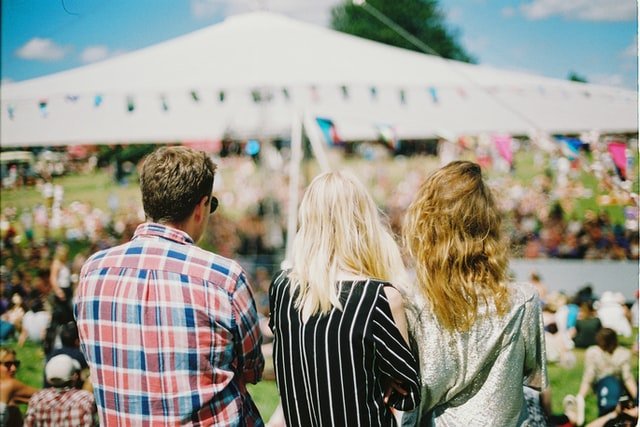
Hosting gatherings out in the open air offers a wonderful sense of freedom and a blank canvas for any celebration. Whether you are planning a corporate function or a garden party, natural surroundings provide an immediate charm that indoor rooms struggle to match. Bringing people together under the open sky also means you have plenty of room to craft custom layouts and unique atmospheres.
If you are organizing outdoor spaces for events, you will want to make sure every single detail goes smoothly from start to finish. Proper planning prevents last minute scrambles and keeps your attendees happy and relaxed. If you want to dig deeper, our guide on Understanding the New MOHRE Law in the UAE (2025) covers this well.
If you are not sure where to start with your planning, we’ve got you covered! You can also consider hiring an event management agency to assist you with budgets, schedules, and vendors to create the best possible events. Here’s our practical guide to organizing outdoor spaces for events.
Choose Your Location
Presumably, you’ve already got a venue in mind for your event and maybe even have it booked. If so, pat yourself on the back and skip to the next section! When scouting properties, try thinking outside the box by exploring unique outdoor venues like historic estates, public parks, scenic rooftops, or even open air amphitheaters.
If you are still searching, look closely at guest accessibility, overall capacity, and how well the natural environment matches your chosen theme. Matching your layout to the environment ensures a seamless blend of natural beauty and practical design.
Gather Your Paperwork
One of the most important considerations for outdoor events is handling the legal and safety requirements. Before finalizing anything, speak with your local municipal authorities to understand any necessary permits, liquor licenses, and public liability insurances required for your specific gathering.
You will also need to review local noise ordinances, maximum venue capacities, and safety regulations. For instance, if you are working through complex regulations, you might need to consult an expert, much like someone seeking guidance from a professional lawyer when navigating complicated municipal agreements.
Thorough safety inspections and risk assessments will likely land on your desk unless your venue coordinator handles them directly. Make sure you submit your paperwork well ahead of time so you have ample cushion to fix any unexpected roadblocks.
Have a Backup
Depending on where you are located geographically, the weather can be wonderfully unpredictable and may not always cooperate with your party timeline. As noted in this expert weather guide for events, failing to prepare for meteorological surprises is a major pitfall for planners. Always ensure your venue features a solid contingency plan in case sudden rainstorms or high winds strike on the big day.
Outdoor Spaces for Events: Facilities
Depending on the type of event you’re hosting, and where it’s being held, the facilities you’ll need will vary significantly. Raw land or public parks will require you to bring in portable restrooms, generators for electricity, and mobile handwashing stations.
If you’re at a dedicated event space, you should only need to think about requirements specific to your event. If it’s a wedding, where will guests leave gifts? For a beer festival, where can the kegs be stored out of direct sunlight?
Details like this will need to be ironed out in advance to ensure smooth running on the day. You can also customize decorative signage to guide people toward these amenities, such as these acrylic signs by Mulberry Market Designs that fit neatly into any aesthetic.
Consider Guest Comfort
Assuming all the basic amenities are taken care of, it’s time to look at the details. Making your guests comfortable will be the key to success and rave reviews. Optimizing your seating arrangements and traffic flow keeps people moving comfortably without feeling crammed into tight corners.
Consider whether you need additional dining or break-out spaces. If your group has varying levels of mobility, or simply if you want to give people quiet zones to chat, creating distinct functional areas will elevate the entire guest experience.
Consider creating an extra bar, so your guests don’t have to wait in long queues. You could add a chill-out lounge area where attendees can move to for a quiet moment. For both of these options, these folding tables from EventStable will help you to create flexible and functional space.
Sit Back and Enjoy!
After all the hard work of your planning, it’s time to sit back and enjoy the fruits of your labor! Organizing outdoor spaces for events takes patience, coordination, and attention to detail, but seeing your vision come to life is deeply rewarding.
With these tips in your back pocket, your upcoming gathering is bound to run smoothly and leave a lasting impression on everyone who attends. For more inspiration on hosting memorable gatherings, browse through our other helpful guides.
FAQs
What permits do I need for an outdoor event?
Permit requirements vary by location, but you typically need permits for noise, alcohol consumption, public property usage, and temporary structures like tents.
How do I handle bad weather during an outdoor event?
Always have a rain plan. This could mean renting a sturdy tent with sidewalls, booking a hybrid indoor-outdoor venue, or having an indoor backup space ready.
What are the essential facilities needed for raw outdoor venues?
If your venue lacks permanent structures, you must rent portable restrooms, generators for power, waste disposal bins, and sometimes mobile water stations.
How can I keep outdoor guests comfortable in the heat?
Provide shaded seating areas, set up misting fans or portable air coolers, and offer cold bottled water, sunscreen, and bug spray stations.
When should I start planning an outdoor event?
It is best to start planning at least six to twelve months in advance, especially if you need to secure permits and rent specialized event equipment.