
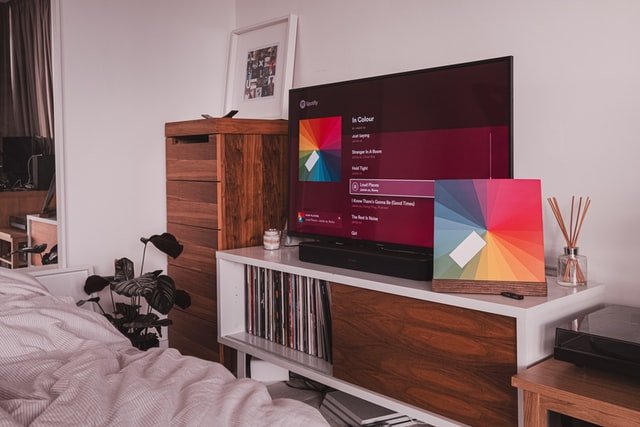
IPTV stands for Internet Protocol Television, meaning your favorite television content is transmitted directly over the internet rather than through traditional cable or satellite dishes. Modern schedules are busier than ever, leaving very little time to wait around for scheduled broadcast windows or live time slots. This shift in habits has driven massive interest in Internet Protocol Television, giving viewers complete control over what they watch and when they watch it. On top of that flexibility, IPTV is often far more cost-effective than legacy cable packages, letting households pay only for the entertainment tiers they actually use. This immense popularity has led to a crowded market filled with free, legal, and underground subscription options that require careful evaluation.
Sorting through countless options means weighing several critical variables before committing your hard-earned money to a monthly or yearly plan. Whether you are looking at top-rated US subscription packages or global streaming options reviewed across tech forums in 2026, evaluating specific performance metrics will save you from constant frustration. Here are the most essential factors to analyze when picking an IPTV service provider that fits your lifestyle. If you want to dig deeper, our guide on How to Choose the Right Lawyer for Your Legal Needs covers this well.
1. Location
Geographic region is one of the most significant yet overlooked factors when shopping for an IPTV subscription, primarily because licensing agreements restrict certain broadcasts to specific countries. Choosing a provider that officially supports your local market ensures you do not run into sudden regional blackouts or missing local news networks. If you plan on moving to a different region or traveling frequently, you must verify whether your chosen service enforces geo-locks on foreign IP addresses. Furthermore, server proximity directly impacts stream stability and time-lapse issues during live events, so picking a provider with local or regional server nodes is always a smart move.
2. Number of channels
Every reliable provider boasts an extensive lineup of live channels and video-on-demand libraries designed to replace traditional cable completely. However, raw quantity rarely beats quality, meaning 10,000 poorly organized channels will only leave you scrolling endlessly instead of enjoying your evening. Before signing up, inspect their full channel lineup and video catalog to confirm they carry your must-have sports networks, news outlets, and entertainment bundles. If you love international cinema or niche sports leagues, verify that those specific categories are included in your base package rather than locked behind an expensive add-on tier.
3. Device Compatibility
Modern households rarely rely on just one screen, making multi-device support an absolute necessity for seamless daily viewing. While some budget vendors restrict your account to a single smart TV or Firestick, top-tier platforms allow simultaneous streaming across smartphones, desktop computers, laptops, and tablets. Finding out how many simultaneous connections are allowed per account is just as important as device support, especially if you share a household with family members who watch different shows at the same time. Always test the companion apps on your specific hardware during a trial period to ensure the interface runs smoothly without crashing.
4. Cost
Subscription pricing varies wildly across the industry, ranging from free ad-supported apps to premium services charging steep monthly or annual fees. While higher prices often correlate with better uptime and dedicated server maintenance, you should never assume expensive automatically means reliable. Look for transparent pricing models that offer short-term monthly plans before committing to a multi-year discount, which protects you if the service degrades over time. If a provider offers flexible packages where you can customize your channel bundles to lower the monthly bill, take advantage of those options. For more on this, our article on Understanding the New MOHRE Law in the UAE (2025) is a good next read.
5. Buffering
Nothing ruins movie night quite like a spinning loading wheel or stuttering video frames during a high-stakes sports match. If a provider lacks robust server infrastructure or compresses data too aggressively, you will experience constant buffering issues regardless of how fast your home internet connection is. Reputable providers openly state their recommended bandwidth requirements, which helps you cross-reference their technical specifications with your home broadband speeds. Reading community benchmarks and running a short trial is the best way to verify whether a provider can deliver smooth high-definition or 4K streams during peak evening traffic hours.
6. Social Credibility
The sheer number of vendors operating in this space makes separating trustworthy companies from fly-by-night operations quite challenging. Checking independent review platforms, forums like Reddit, and consumer feedback discussions helps you gauge the true reliability of a provider before you hand over your credit card details. Real user testimonials will quickly reveal whether a service suffers from sudden channel dropouts, shady billing practices, or false advertising regarding their streaming resolutions. If a company lacks any verifiable online footprint or refuses to show genuine customer reviews, treat it as a major warning sign.
7. Customer Service
Technical glitches, playlist update errors, and login authentication failures can pop up unexpectedly even on the most stable platforms. Having access to responsive customer support through live chat, ticket systems, or Telegram channels ensures you are never left stranded when your streams stop working. Test their support response time with a simple pre-sale question to see how quickly and helpfully their team replies. Reliable assistance makes the initial setup process infinitely easier, especially when configuring complex third-party player applications on specialized hardware.
Frequently Asked Questions
What is IPTV and how does it work?
IPTV delivers television programming and video content through internet protocol networks rather than traditional terrestrial, satellite, or cable formats. It converts video signals into digital data packets sent directly to your device via your internet connection.
Is IPTV legal to use?
The legality depends entirely on the provider and the content being distributed. Licensed streaming services that hold the proper broadcasting rights for their channels are completely legal, while unauthorized re-broadcasts of paid cable channels are illegal.
Do I need a fast internet connection for IPTV?
Yes, a stable broadband connection is required to enjoy uninterrupted streams. For standard definition content, a 10 Mbps connection is usually sufficient, but high-definition and 4K streams generally require 25 Mbps or higher to prevent buffering.
Can I use one IPTV subscription on multiple TVs?
This depends entirely on your provider and your subscription plan. Some services limit you to a single active stream at a time, while others offer multi-connection add-ons that let you watch on several devices simultaneously.
What devices are compatible with IPTV?
Most modern IPTV services work seamlessly on Smart TVs, Amazon Firesticks, Android TV boxes, Apple TV, smartphones, tablets, and Windows or Mac computers using compatible media player apps.