
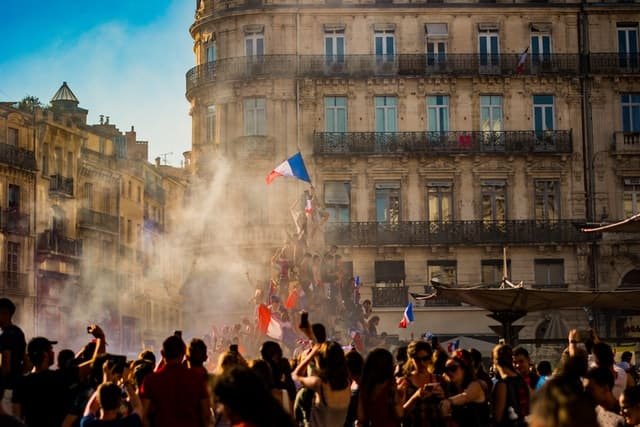
The French Revolution remains a massive turning point in world history, reshaping governments, societies, and human rights. Spanning over a decade of intense political upheaval, it permanently dismantled the old feudal system and altered the destiny of Europe. Beyond the famous battles and famous executions, the era holds many hidden stories. Everyday economic pressure, radical philosophies, and bitter social divides fueled an explosion that caught the ruling class completely off guard. Understanding this era requires looking past the standard history books and examining the deeper human experiences that drove ordinary citizens to revolt.
Causes of the French Revolution
The outbreak of the revolution was triggered by severe financial ruin, extreme social inequality, and the intellectual shockwaves of the Enlightenment. King Louis XVI and Queen Marie Antoinette managed court budgets carelessly, leaving public coffers empty while the working class suffered. Before the uprising in 1789, the cost of basic items like bread was so exorbitant that a simple loaf could consume an entire week of wages for a peasant family. This brutal financial squeeze left citizens with nothing left to lose. Writers and philosophers like Voltaire and Rousseau criticized absolute monarchy and traditional church authority, giving people the vocabulary to demand fundamental human rights. For a detailed analysis of these historical shifts, check out this authoritative resource.
Social and Economic Climate of 18th-Century France
Daily life in 18th-century France was defined by stark inequality. The clergy and nobility owned vast land tracts and paid almost no taxes, shifting the entire financial burden onto the poorest segments of the population. At the same time, a rising merchant and business class grew frustrated because their wealth did not grant them political influence. Natural disasters made matters worse, as terrible winters and failed harvests sent food prices skyrocketing. Families struggled simply to keep warm and fed. If you enjoy studying how societies manage resources and structured living standards, you might appreciate reading about how to make your cosy home.
Major Events_and_Consequences of the French Revolution
The revolution moved through violent and unpredictable phases, starting with the storming of the Bastille prison and descending into the dark paranoia of the Reign of Terror. Thousands of political prisoners and perceived traitors met their end at the guillotine, transforming public excitement into widespread fear. Eventually, military chaos paved the way for Napoleon Bonaparte to seize power, stabilize the government, and launch a series of continental campaigns that permanently redrew the map of Europe. These dramatic events proved that sudden political changes carry heavy human costs.
The National Assembly and the Rise of the Radical Jacobins
When the Estates-General met in 1789 to fix the national debt, reform-minded delegates quickly broke away to form the National Assembly. While moderate leaders initially wanted a constitutional monarchy, public anger pushed the movement toward radical factions. Led by figures like Maximilien Robespierre, the Jacobins took full control and purged anyone suspected of royalist sympathies. This radical turn led directly to the public execution of both King Louis XVI and Marie Antoinette, signaling the absolute end of the old royal regime.
Comparative Study of European Revolutions
Comparing France’s uprising to other major political revolutions reveals shared patterns in how governments collapse under pressure. Whether looking at British political shifts or later continental rebellions, new regimes always struggled to balance personal freedom with public order. For individuals managing modern enterprises or studying historical leadership strategies, understanding organizational structure and resource management is just as vital as reviewing 4 essential small business tools to keep operations running smoothly.
Legacy of the French Revolution
The slogans of the revolution—liberty, equality, and fraternity—echoed across the globe, inspiring anti-colonial movements and democratic reforms for generations. It shifted the identity of people from royal subjects to active citizens with legal rights. The institutional changes sparked during this era continue to influence modern legal codes, human rights definitions, and governmental accountability worldwide.
FAQs on the French Revolution
What were the main causes of the French Revolution?
The revolution was driven by deep national debt, heavy taxation on the working class, frequent food shortages, and the spread of Enlightenment ideals that encouraged people to question divine right and absolute monarchy.
Who were the key figures of the French Revolution?
Key individuals who shaped this historical period include King Louis XVI, Queen Marie Antoinette, the radical revolutionary leader Maximilien Robespierre, and military strategist Napoleon Bonaparte.
How did the American Revolution influence events in France?
France spent immense funds supporting the American colonists against Great Britain, which bankrupted the French treasury. Ideologically, America’s fight for independence also inspired French thinkers and soldiers who witnessed successful anti-monarchical resistance first-hand.
Why was the Reign of Terror significant?
The Reign of Terror was a brutal phase led by the Jacobins where thousands of suspected counter-revolutionaries were executed by guillotine, proving how quickly revolutionary zeal can turn into totalitarian violence.
What was life like for the peasant class before 1789?
Peasants faced severe poverty, high taxes paid to both nobles and the church, and exorbitant prices for basic necessities like grain and bread, often spending a week’s income on a single meal.
How did Napoleon Bonaparte rise to power?
Taking advantage of the political instability and leadership vacuums left by the revolution, Napoleon used his military victories and public popularity to stage a coup and eventually declare himself emperor.