
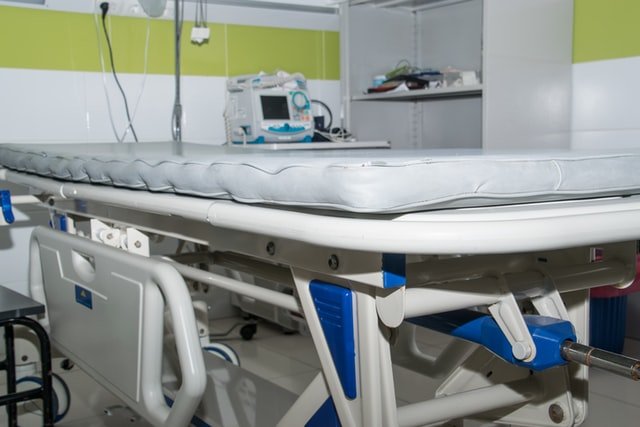
Most health insurance providers will cover the cost of an electric home care bed if it meets specific clinical criteria. The primary condition for acquiring durable medical equipment coverage for a loved one is that the apparatus used to treat or relieve a medical issue is reliable and prescribed by a physician. When setting up a comfortable room for recovery, families often weigh whether to invest in permanent equipment or utilize short-term arrangements.
Patients suffering from chronic inflammation, severe cramping, or persistent back and shoulder pain usually meet these requirements and qualify for insurance reimbursement. However, since various insurance providers maintain different policies regarding durable medical equipment, you should always check directly with your provider to see whether the cost of an electric bed is fully covered. Understanding your policy details upfront prevents unexpected out-of-pocket expenses later on. If you want to dig deeper, our guide on Annemarie Powell’s Remarkable Net Worth and Biography covers this well.
Medicare
If you have a specialist prescription, Medicare will normally cover semi-electric models rather than luxury privately available beds. The bed must meet strict operational specifications, including two independent motors to adjust the head and foot sections, along with either a hand crank or electronic pendant for adjusting frame height. Under standard durable medical equipment provisions, Medicare typically pays up to 80% of the approved amount for the electrical bed. Because local rules and regional supplier networks vary across state lines, confirm your specific local coverage before ordering.
What If It is Used?
The vast majority of standard insurance providers will not cover the cost of acquiring pre-owned electric beds. However, reimbursement policies depend heavily on individual carrier rules, so you can still submit an inquiry to see if you can recover any medical expenditures linked with a secondary purchase. Private insurers prefer to fund brand-new equipment to ensure patient safety and minimize the risk of mechanical failure during home recovery.
Is it a Good Idea to Purchase a Used Hospital Bed for Home Care?
Electric beds provide exceptional ergonomic benefits, meaning that if your budget is tight, buying a secondhand model can seem tempting. When shopping for a pre-owned medical bed, numerous hidden variables require careful evaluation before handing over any money. Saving a few dollars initially can quickly backfire if the equipment fails when you need it most.
Quality Comparison
Adjustable beds that have remained in active service for a long period are likely to show signs of mechanical fatigue and structural wear. Internal motors and hand pendants are particularly prone to sudden malfunctions after years of heavy daily use. Purchasing a brand-new bed ensures structural integrity, optimal performance, and the peace of mind that comes with a manufacturer warranty.
Limited Availability
Given that medical beds are often kept by families for extended recovery periods, finding a reliable used hospital bed on the local open market can prove surprisingly difficult. As a consequence, buyers face severely limited alternatives regarding the exact brand, size, and weight capacity they need. This lack of selection often forces families to settle for equipment that does not quite fit the patient’s physical requirements.
Maintenance Cost and Repair
Pre-owned hospital beds frequently arrive with hidden mechanical flaws that result in costly repair bills and ongoing maintenance fees. When a motor fails outside of warranty, sourcing replacement parts for older discontinued models can be frustratingly complex and expensive. Hospital bed rentals cost $195 to $400 per month, whereas buying new ranges from $1,500 to $8,999 depending on advanced features, making maintenance a key factor in your total budget.
Hygiene Concern
If you have strict safety, skin integrity, or sanitation priorities, you should avoid purchasing secondhand electric beds. You rarely know the complete history of a used frame or what medical conditions the previous user managed in that exact room. Starting fresh eliminates any anxiety regarding contaminants or hidden wear inside the frame joints.
Less Choice in Customization
Modifying an older used bed is challenging because it may lack mounting points for modern safety rails or trapezoid trapeze bars. In contrast, investing in a new setup lets you integrate cutting-edge features like therapeutic pressure-relieving mattresses, USB charging ports, and under-bed lighting. These modern additions dramatically improve daily safety and caregiver efficiency.
When You Need Hospital Bed for Seniors?
The clinical, antiseptic hospital beds of the past have evolved into sophisticated home care furniture designed to blend into residential bedrooms. If a standard bedroom mattress fails to provide restful sleep or causes morning stiffness, transitioning to an articulating home care bed can solve those discomforts. Modern adjustable frames let you elevate the head or knees with the push of a button to optimize circulation and breathing.
The vast majority of home care beds are fully motorized, making them remarkably simple to operate throughout the day and night. They enable patients to recline, sit up, or elevate their lower extremities to enhance overall comfort during long recovery periods. If you or a loved one struggles with mobility or muscle weakness, having a bed that adjusts in height makes getting in and out much safer.
Adjusting the deck height simplifies transitions between the mattress and a mobility aid like a wheelchair or walker while minimizing physical strain. You may also require an articulating bed if chronic respiratory issues, acid reflux, or severe back pain make sleeping on a flat surface impossible. For those navigating complex legal or care requirements, seeking guidance similar to choosing the right lawyer for your legal needs can ensure you make informed decisions.
Where to Buy Hospital Bed for Home Care?
Several online medical supply marketplaces and local home health dealers offer both brand-new and reconditioned electric beds. Many retail options feature fully serviced models that have been meticulously cleaned and tested to add modern comforts and safety amenities. Renting a hospital bed for a few weeks or months is often the most cost-effective route, but purchasing provides complete equipment control if long-term care is anticipated.
Is it better to rent a hospital bed than to buy a hospital bed with a used mattress?
Although it might appear less expensive upfront, purchasing an electric bed frame bundled with a pre-owned mattress is never a smart clinical choice. Mattresses, unlike steel frames, absorb body moisture and are far more prone to retaining microscopic debris and allergens over years of use. Furthermore, foam and inner-spring cores degrade under repeated pressure, meaning secondhand mattresses offer far less pressure redistribution and support. Invest in a contemporary medical mattress that is completely sterile, antimicrobial, and rated for high-frequency use. If you require specialized lifestyle equipment, you might also explore unique home upgrades that enhance daily living quality.
Frequently Asked Questions
How much does a hospital bed rental typically cost per month?
Hospital bed rentals generally range from $195 to $500 per month depending on whether you choose a manual, semi-electric, or fully electric model with advanced positioning features.
Is buying or renting a hospital bed cheaper for long-term use?
While renting makes sense for short-term recovery under six months, purchasing often becomes more economical if the patient requires care exceeding half a year due to cumulative monthly rental fees.
Does Medicare cover home hospital beds?
Yes, Medicare Part B covers 80% of the approved amount for durable medical equipment like hospital beds when prescribed by a doctor for use in your home, provided you meet specific medical necessity criteria.
Can I use a standard mattress on a hospital bed frame?
Standard home mattresses are generally not recommended because they cannot bend safely with the articulating deck and may create dangerous gaps or slip off the frame during adjustments.
What is the break-even point between renting and buying a hospital bed?
The financial break-even point typically occurs around month six, where the total accumulated rental payments roughly equal the cost of purchasing a standard new home care bed outright.
Are used hospital beds safe to purchase?
Used frames can be safe if thoroughly inspected, cleaned, and tested for motor reliability, but you should always buy a brand-new mattress for hygiene and proper pressure redistribution.