
Home automation is one of the most exciting spaces in modern technology. People everywhere are upgrading their living spaces to be more energy-efficient, convenient, and secure. Manufacturers are constantly releasing new hardware, giving buyers plenty of ways to jump in. If you are new to the trend, finding the right starting point can feel overwhelming. Before you buy anything, you need to pick a reliable ecosystem like Amazon Alexa or Google Home to ensure your future gadgets work together seamlessly.
Your ideal starting point depends heavily on your technical comfort level and what you want to achieve. Some devices are plug-and-play, while others require a bit more configuration. Fortunately, everyday items like smart bulbs, smart locks, and smart thermostats make fantastic entry points because they fit right into your daily routine. Let us dive into the best devices you can buy to kick off your smart home adventure.
Smart Speakers
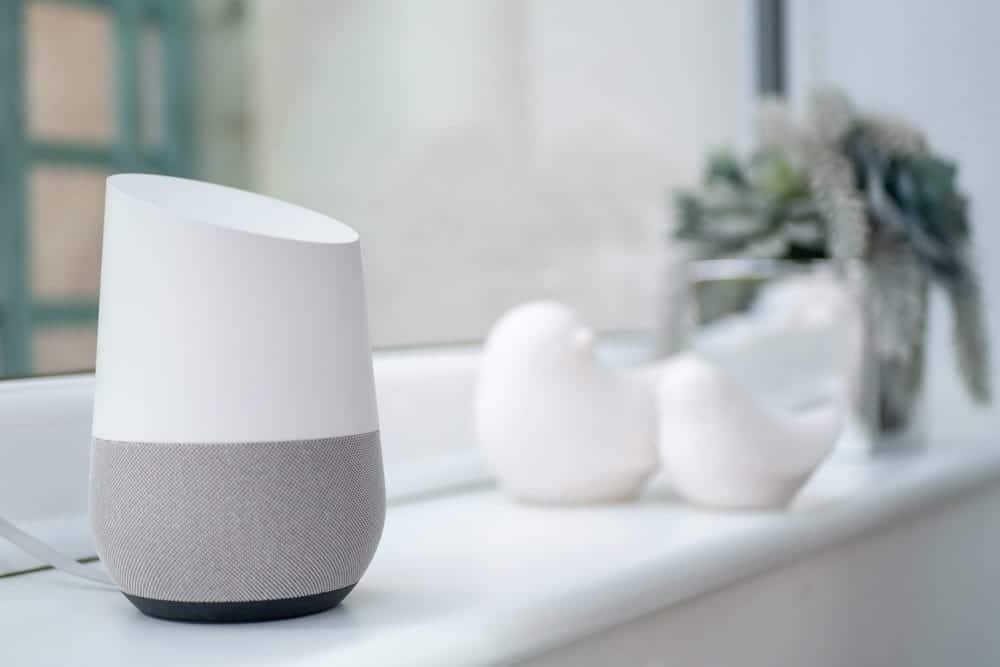
Many smart home enthusiasts begin their journey with a voice-activated assistant. Devices like an Amazon Echo or a Google Nest Mini are practically household staples now. While they are often used just for playing music, their true value lies in acting as central control hubs for your entire house.
A good smart speaker responds to your voice to deliver local weather reports, check sports scores, or read out daily news briefings. Beyond that, it lets you control connected appliances hands-free. If you want to dim the living room lights while holding a sleeping baby, a simple voice command gets the job done instantly.
Video Doorbells
If voice assistants are not your main interest, video doorbells offer an incredible alternative for entry-level automation. They are beginner-friendly and require very little physical installation. Most models mount easily next to your front door and connect directly to your home Wi-Fi network through a companion mobile app.
These devices let you see and speak with visitors at your door without needing to walk across the house. Because they stream video directly to your smartphone, you can check on package deliveries or screen unexpected visitors even when you are miles away at work or on vacation.
Smart Thermostats
Upgrading your climate control is another smart move for beginners. Unlike old programmable thermostats that relied on confusing button menus, modern smart thermostats connect to your phone and adapt to your daily schedule.
Remote access is the biggest perk here. If you leave for a weekend trip and forget to adjust the AC, you can fix it right from your phone while sitting on a plane. Over time, these devices learn your habits and automatically optimize heating and cooling schedules to lower your monthly utility bills.
Automated Lighting
For an ultra-simple introduction to automation, smart plugs and automated lighting are hard to beat. You can purchase smart plugs or smart bulbs that connect directly to your home network without any special wiring. If you want to create a relaxing atmosphere in your living space, learning how to make your cosy home feel even more inviting with automated warm lighting is a great weekend project.
A mobile app gives you complete control over your home lighting with a quick swipe of your finger. You can turn off every lamp in the house as you climb into bed, or set schedules so your porch lights turn on automatically at sunset. If you need helpful advice on picking reliable hardware, check out this home automation buying guide.
Wireless Video Cameras
While security systems often sound intimidating, setting up one or two standalone wireless cameras is surprisingly straightforward. Many people use indoor cameras simply to check in on pets, monitor children after school, or keep an eye on a babysitter.
Companion apps stream crisp video feeds straight to your phone. This setup gives you peace of mind throughout the day. Once you experience the convenience of home automation, you will likely find yourself adding more sensors and gadgets over time.
Frequently Asked Questions
What is the easiest smart home device to install first?
Smart plugs and smart bulbs are widely considered the easiest entry points. They require no wiring or special tools, simply plugging into existing sockets or outlets.
Do I need a smart speaker to start a smart home?
No, you do not need a smart speaker. You can control all your devices directly through smartphone apps, though smart speakers add great hands-free voice control.
Which voice assistant is best for home automation?
Both Amazon Alexa and Google Assistant are fantastic choices. Many users find Alexa slightly more flexible for third-party device integration, but Google offers robust features.
Can I install a video doorbell myself?
Yes, most video doorbells are designed for easy DIY installation using basic screws and adhesive mounts provided in the box.
Will smart devices save me money?
Yes, devices like smart thermostats and automated lighting help reduce energy waste by running your heating, cooling, and lights only when needed.
Do I need a hub for every smart device?
Many modern smart devices connect directly to your home Wi-Fi router. However, certain advanced setups use dedicated hubs for better range and speed.